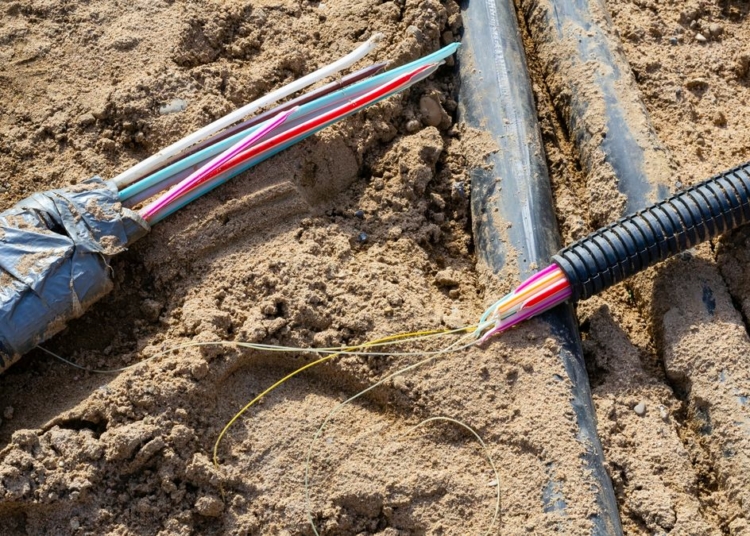
The Nigerian Communications Commission (NCC) has raised concerns over the increasing attacks on telecom infrastructure across the country, disclosing that operators recorded more than 27,000 fibre cuts between January and November 2025.
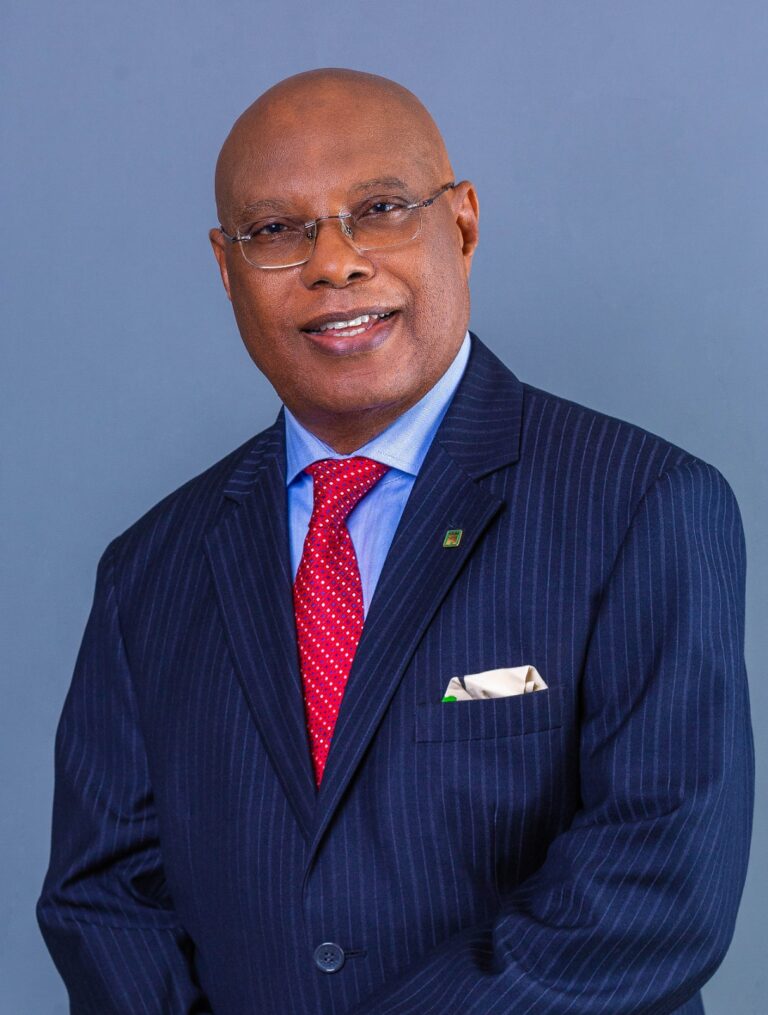
The Executive Vice Chairman and Chief Executive Officer of the NCC, Dr Aminu Maida, disclosed this in Lagos at the Critical Conversation Forum on Fibre to the Home (FTTH), organised by the Association of Telecommunication Companies of Nigeria (ATCON).
Maida warned that vandalism, access denial and other forms of infrastructure disruption continue to threaten broadband expansion and could undermine Nigeria’s digital economy ambitions if not urgently addressed.
According to him, operators recorded over 27,000 fibre cuts, more than 27,000 cases of access denial and over 4,000 incidents of theft within the period under review.
“These incidents disrupt services, increase repair costs, undermine network reliability and discourage investments,” he said.
The NCC boss stressed the need for stronger enforcement of the Critical National Information Infrastructure (CNII) framework, noting that the Commission is collaborating with security agencies and relevant government institutions to strengthen the protection of telecom assets nationwide.
He disclosed that a joint standing committee comprising the Federal Ministry of Works, the Federal Ministry of Communications and Digital Economy, and the NCC had been established to safeguard fibre infrastructure before, during and after road construction activities.
Maida noted that despite growing demand for digital services, several challenges, including right-of-way bottlenecks, vandalism, multiple taxation and delays in approvals, continue to slow broadband infrastructure deployment across the country.
He described fibre infrastructure as the backbone of Nigeria’s digital economy, noting that homes have increasingly become centres for learning, work and service delivery.
“The home has become a critical access point to the digital economy. Fibre to the home is unique because it continues to meet this new demand. Fibre provides the resilience and scalability required for increased data and services,” he said.
Maida added that Nigeria’s ambition of building a $1 trillion economy would depend significantly on robust digital infrastructure.
“A one trillion-dollar economy will increase our productivity, innovation, services and efficient markets, and all of these rely on fibre. The quality of our work will increasingly shape the competitiveness of our businesses,” he stated.
He revealed that Nigeria currently has about 275,000 active fibre-to-home subscriptions nationwide, a figure he said remains below Africa’s average penetration rate of 2.8 per cent and significantly behind mature markets with average penetration rates of about 47 per cent.
According to him, the low penetration level highlights the vast opportunities available for investment and expansion in the broadband market.
Maida also announced that the Commission would soon commence a post-build fixed broadband market assessment aimed at identifying measures to encourage investment, promote fair competition, improve infrastructure sharing and support open access.
On right-of-way challenges, he urged state governments to prioritise digital infrastructure, arguing that the economic benefits derived from broadband expansion far outweigh revenues generated from right-of-way charges.
He disclosed that 13 states have fully waived right-of-way charges, while 16 others have adopted the nationally recommended rates.
The NCC chief further advocated integrating broadband infrastructure into urban planning, insisting that fibre deployment should no longer be treated as an afterthought.
“Nigeria does not just need fibre. We need fibre that is properly installed, properly documented and properly protected,” he stated.
Also speaking at the forum, managing director of Wave5 Wireless Limited, Wande Adalemo, advocated a federated infrastructure model among internet service providers (ISPs) to boost service delivery and reduce infrastructure costs.
Adalemo said collaboration among operators could unlock new revenue streams, improve service continuity during fibre outages and accelerate broadband penetration across the country.
“This represents a fundamental shift from pure competition to collective innovation,” he said.
He added that the model could enable operators to share infrastructure, support seamless roaming and expand digital services to millions of Nigerians without bearing the full cost of infrastructure ownership.
SOURCE: LEADERSHIP NEWS PAPER
About The Author