
The Trade Union Congress (TUC) of Nigeria has proposed that the federal government deploy at least 60 per cent of excess crude oil revenue above the budget benchmark to subsidise feedstock for local refineries, including the Dangote Refinery.
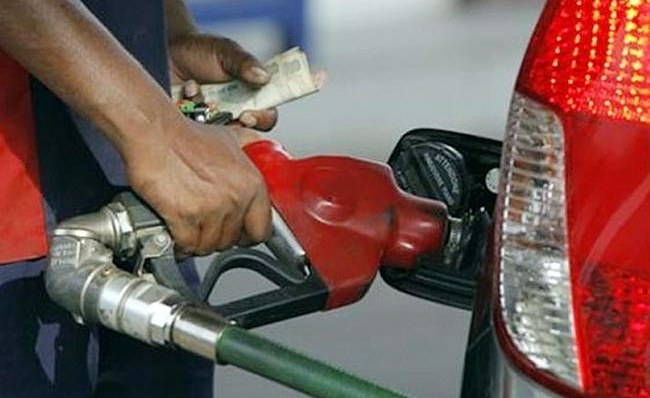
The labour centre believed that such urgent measures remains necessary to reduce soaring fuel prices and ease economic hardship on Nigerian workers.
TUC president-general, Comrade Festus Osifo, made the proposal in Abuja yesterday, warning that the rising cost of petrol, approaching N2,000 per litre in some areas has placed unbearable pressure on households and businesses.
Osifo explained that crude oil prices above the budget benchmark of $64.85 per barrel currently generate excess revenue shared among the three tiers of government.
He argued that redirecting a significant portion of this surplus into subsidising crude supply for domestic refining would reduce production costs and translate quickly into lower pump prices for petrol, diesel and aviation fuel.
The labour leader noted that the sharp increase in fuel prices, exacerbated by global supply disruptions linked to geopolitical tensions, has worsened transportation costs and manufacturing expenses, ultimately driving up the prices of goods and services.
According to him, the situation risks reversing the modest decline in inflation recorded in recent months.
He said, “We are seeing that the cost of petroleum is edging towards N2,000 per litre, and Nigerian workers are facing excruciating pain as we speak.
What we are saying is that if crude oil prices exceed the budget benchmark, let government take at least 60 per cent of that excess and use it to subsidise crude supplied to Dangote Refinery and other local refineries.
When you subsidise production directly, it reduces the cost of feedstock, and that will translate immediately to a reduction in the pump price of petroleum products.
When this is done, I can assure you that within one to two weeks, the prices of PMS, AGO, and jet fuel will go down, and Nigerians will begin to feel relief.”
Osifo also stressed the need for immediate relief measures, alongside long-term investments in alternative energy such as compressed natural gas (CNG). While acknowledging government efforts to introduce CNG-powered buses, he said inadequate infrastructure remains a major challenge limiting its impact.
He also expressed concerns over the persistent insecurity across the country, urging the government to prioritise investment in modern security equipment and technology while commending security agencies for their ongoing efforts.
SOURCE: LEADERSHIP NEWS PAPER
About The Author