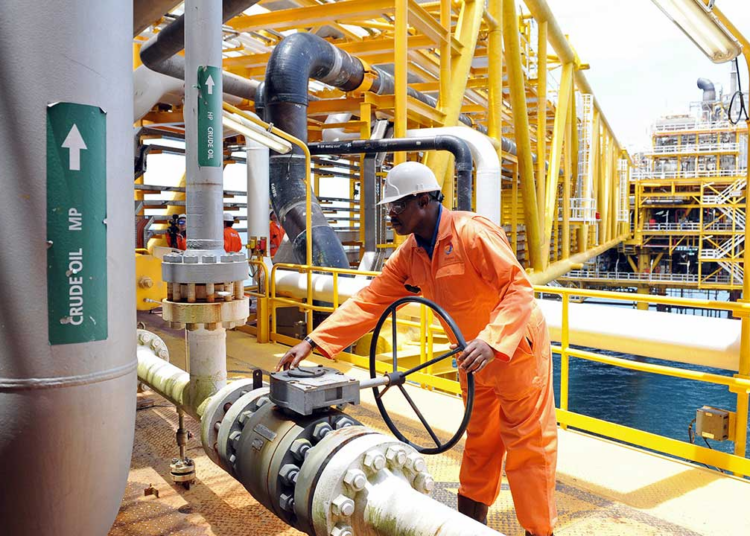

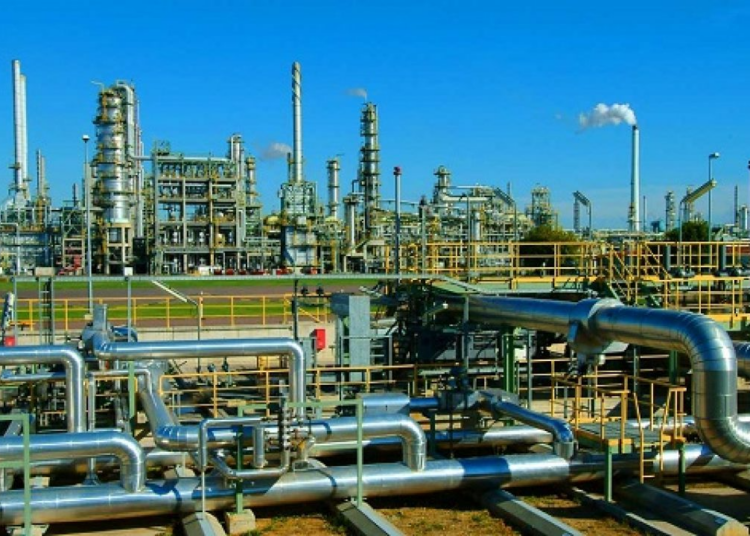
The Petroleum Products Retail Outlets Owners Association of Nigeria (PETROAN) has emphasised the urgent need to consolidate and strengthen Nigeria’s domestic refineries by providing adequate and consistent crude oil supply.
This proactive approach is essential to minimising the impact of external geopolitical shocks on the nation’s petroleum market.
The national president of PETROAN, Dr Billy Gillis-Harry, expressed deep concern over the ongoing military escalation involving the United States, Iran, Israel, and allied nations, and its far-reaching implications for the global energy industry, particularly Nigeria’s petroleum sector.
According to him, recent geopolitical tensions have significantly disrupted global energy markets and supply chains.
Hostilities in the Middle East, especially around the strategic Strait of Hormuz, through which approximately 20 percent of the world’s crude oil supply passes daily, have triggered sharp volatility in international oil prices and heightened uncertainty regarding supply continuity.
As the conflict intensifies, global crude oil benchmarks have surged, with analysts projecting that prices could exceed USD 100 per barrel if disruptions persist. This upward trend reflects growing concerns over potential supply shortages should shipping activities through the Strait of Hormuz remain restricted.
PETROAN notes that any sustained increase in crude oil prices will inevitably be reflected at petroleum retail outlets across Nigeria.
If the crisis continues, the impact will extend beyond pump prices to affect foreign exchange stability, domestic fuel pricing structures, and overall inflation levels within the country.
Position and Call to Action
In view of these developments, PETROAN calls for urgent and strategic actions to safeguard Nigeria’s energy security:
Encourage and prioritise local refineries by ensuring a steady crude oil supply and creating enabling policies that support optimal operations.
Sustain and strengthen the Naira-for-Crude policy to reduce pressure on foreign exchange and stabilise domestic fuel pricing.
Urgently revamp the four government-owned refineries to restore them to full operational capacity and reduce dependence on imported petroleum products.
Monitor global market developments and respond proactively to emerging risks.
Advocate policies that strengthen domestic refining capacity and reduce reliance on imports.
Support measures aimed at shielding consumers from excessive fuel price shocks.
Encourage sustained investment in Nigeria’s petroleum infrastructure to guarantee long-term energy security and stability.
PETROAN strongly emphasises the need for diplomatic engagement and peaceful resolution in energy-producing regions to safeguard global petroleum supply chains and protect Nigeria’s national economic interests.
SOURCE: LEADERSHIP NEWS PAPER
About The Author